
Kane County Active Warrants Explained
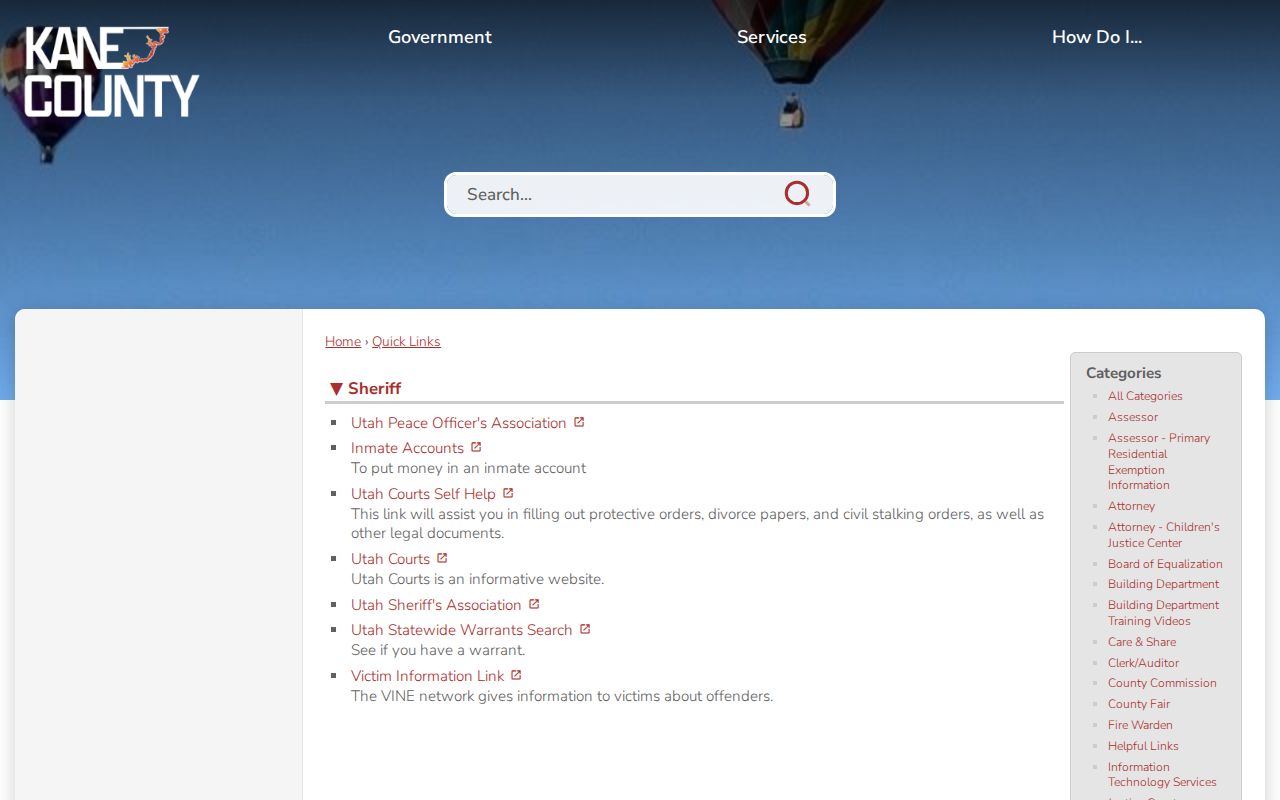
Kane County’s own Quick Links page points people to Utah’s Statewide Warrants file rather than to anything hosted locally. The Sheriff site, checked in 2026, carries no county active warrant list of its own. There is no public roster and no posted count. So don’t try to read a Kane County warrant total out of court filings or sheriff service records; none exists there. One more thing matters. "Active" and "outstanding" are just system labels, and they can lag behind reality. The issuing court is still the only office that knows what a warrant requires today, whether that’s service, a recall, a quash, or some other closure.
Kane County Has No Sheriff Warrant Roster
The county Quick Links page sends readers straight to the state search. Kane County posts no local roster and keeps no refresh schedule for one. The Statewide Warrants portal itself is free. Its live page has returned a 403 error, so name searches haven’t been possible there. For the local referral, the official Kane County Quick Links page is the place to look; it maps the government link path to the state file, and it is a referral page, not a warrant roster.
Use the current state form and ask the issuing clerk to confirm a result.
How Kane County Tracks Active Warrants
Utah’s Statewide Warrants file draws mainly on court data through CORIS and UCJIS. Justice courts enter some records by hand. The BCI manual describes validation and updates. Those steps keep the file current, but Kane County accuracy depends on courts entering and removing warrant data on time.
Note: Court entry and removal timing can leave a public search behind a recent recall or service event.
Kane County Warrant Filings Are Not Warrant Counts
Utah Courts counted 2,166 total filings in Kane County Justice Court for FY2022, including 1,330 traffic-citation filings. Those are historical cases, not open warrants. The docket size does not show how many warrants remain active today. The Utah Courts FY2022 statistics are background only.
Inside an Active Warrant Record
A public case record and a live statewide warrant entry can show different details. Kane County offers no guaranteed field list for the state portal. The questions here frame a case review. Not every field will appear.
| Case identifier | A court-specific case number may help the clerk locate the file. |
|---|---|
| Issuing court | Confirm which court set the warrant and controls the case. |
| Warrant event | A public docket may show an issue or recall event, subject to access rules. |
| Required action | Ask whether the case requires an appearance, payment, motion, or counsel. |
| Current status | Verify active, recalled, quashed, or served status with the issuing clerk. |
Kane County Active Warrant Status Needs Court Confirmation
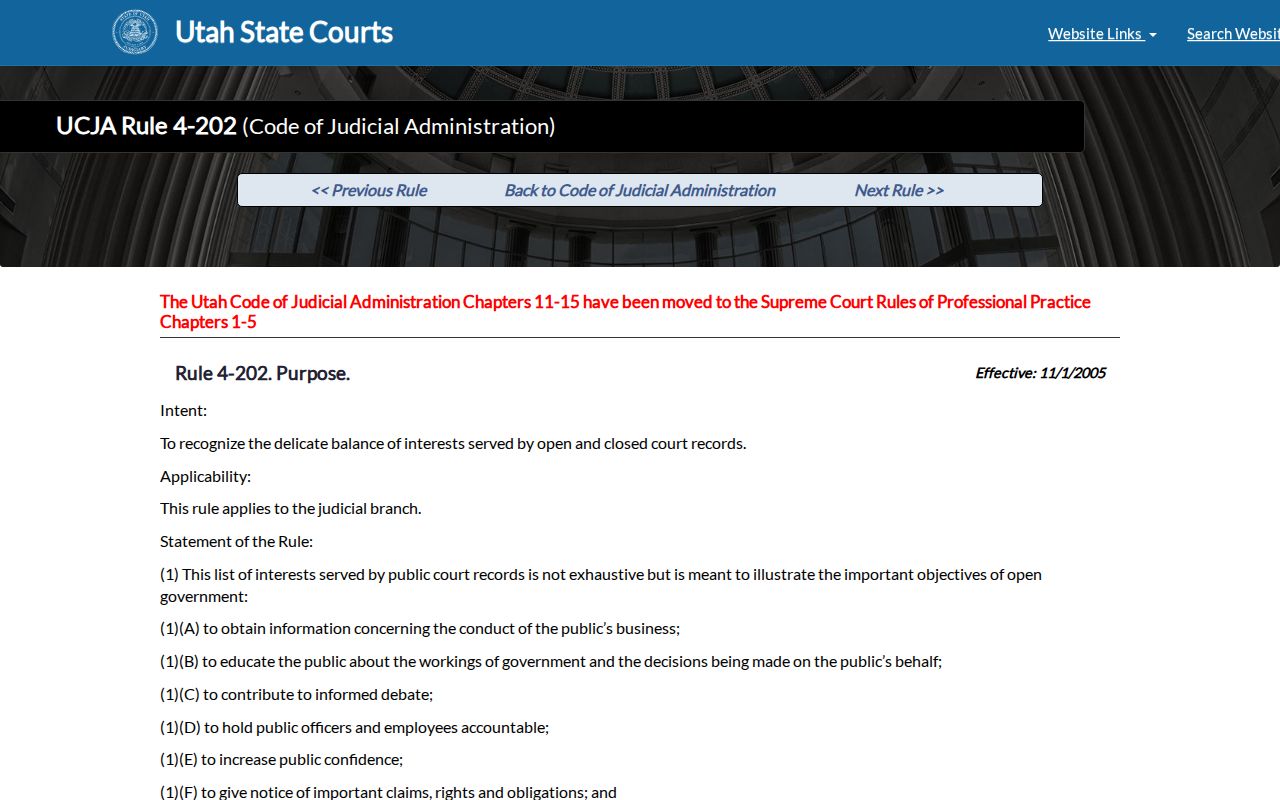
A name match alone can point at the wrong person. More than one court or warrant may share it. Call the issuing court’s clerk with the case number and ask directly whether the warrant is active, recalled, quashed, or otherwise resolved. Ask what appearance or payment terms apply. Also ask when the state file should catch up. Utah Courts treats public case information as distinct from the warrant file. A docket in Xchange is a record, not a live status check. The official nonpublic-records page explains why some information stays withheld, and that applies to Kane County cases too.
Do not rely on a matching name alone.
Warrant Roundups and Most-Wanted Lists
Kane County posts no most-wanted roster for the public, no recurring roundup calendar, no local tip form, and no amnesty event. There is no 2026 roundup schedule to check. A 2025 county memo covered a Warrant Service Officer program, which is staffing, not a public list or a voluntary clearance event. So treat nothing there as a roundup announcement.
Key Point: Kane County’s public referral is the Utah Statewide Warrants search; the county posts no roster of its own.
Verify a result with its issuing court. Do not copy names or images from another jurisdiction to fill a local gap.
Kane Civil Process Is a Separate Service
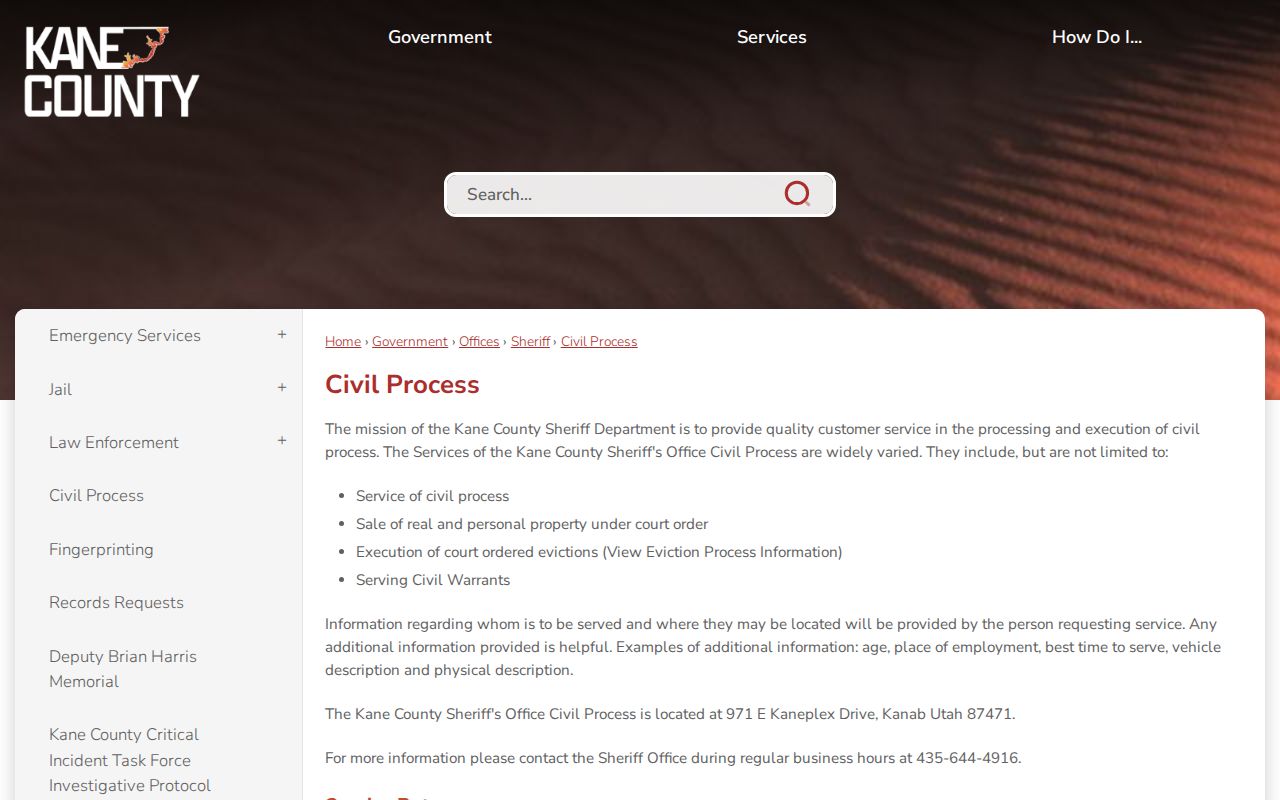
The Kane County Sheriff keeps civil process separate from criminal warrant work. The Civil Process page lists fees for serving civil warrants, orders of arrest, and related papers. Its posted $50 bench-warrant service fee covers three service attempts. That fee is the Sheriff’s charge, not your bail. For a public case record, use Xchange where the material is public. For warrant status, contact the issuing court. The Sheriff’s records unit may accept a GRAMA request for what it holds, subject to classification and redaction. The Civil Process page keeps those service costs apart from court obligations.
A service fee does not tell a reader what a case requires.
When Your Name Is on the Warrant List
An online match is not the whole story. Call the issuing clerk and ask about the warrant’s status, any required appearance, and what motion or payment is allowed. Counsel may appear for you. If arrest worries you, talk with a Utah attorney first. Kane County’s bench-warrant information explains the court process after a missed obligation.
Important: Ask a Utah attorney and the issuing court for case-specific instructions before making a plan around an active warrant.
Kane County Warrant Access Has Boundaries
Utah’s court-record rule splits records into public, private, protected, controlled, and sealed classes. Juvenile matters carry extra limits. A GRAMA request can come back redacted or denied. Never try to work around them. Ask the court what access a party or an authorized representative gets. The Utah Courts page lays out the Rule 4-202 access framework, and the Sheriff’s records page offers a separate GRAMA route for law-enforcement holdings in Kane County.
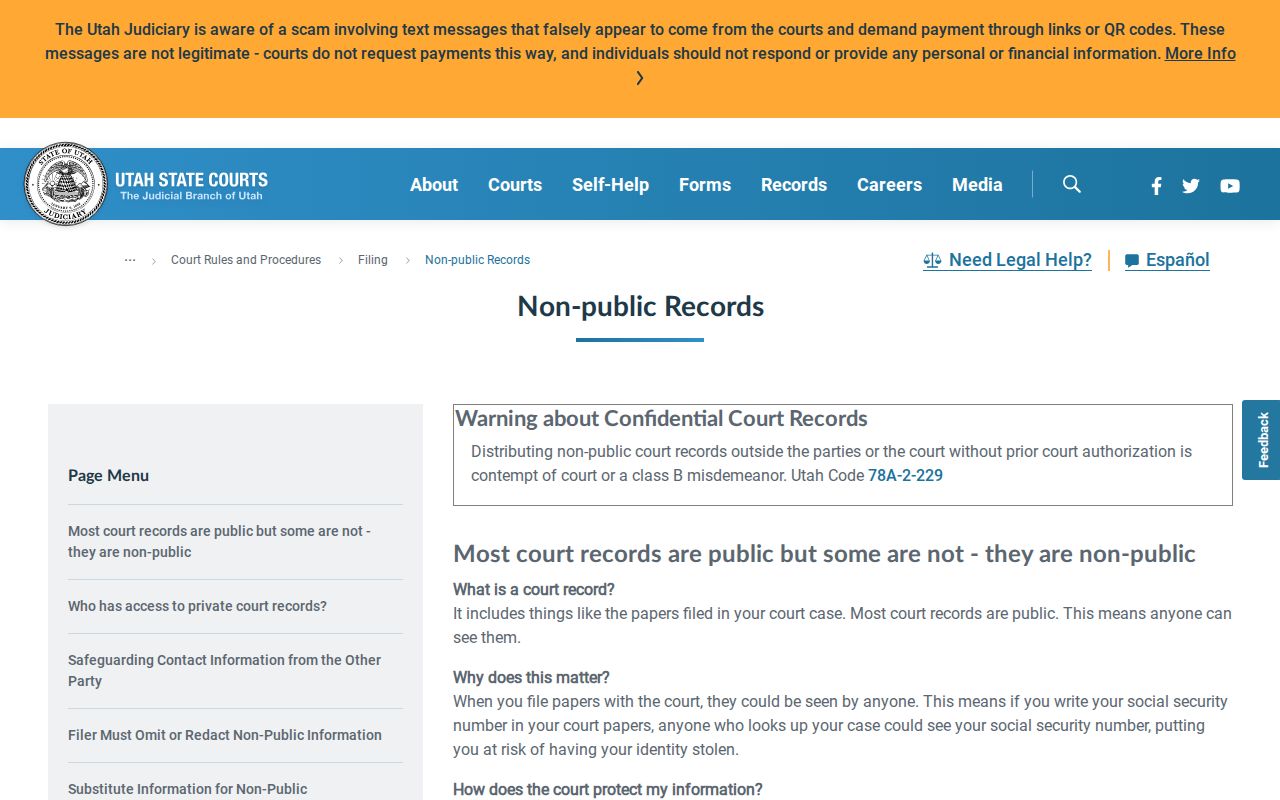
Classification can keep a record off the public list. That does not change which court controls the case, and the Sheriff’s official GRAMA form shows how to draft a narrow Kane County records request.
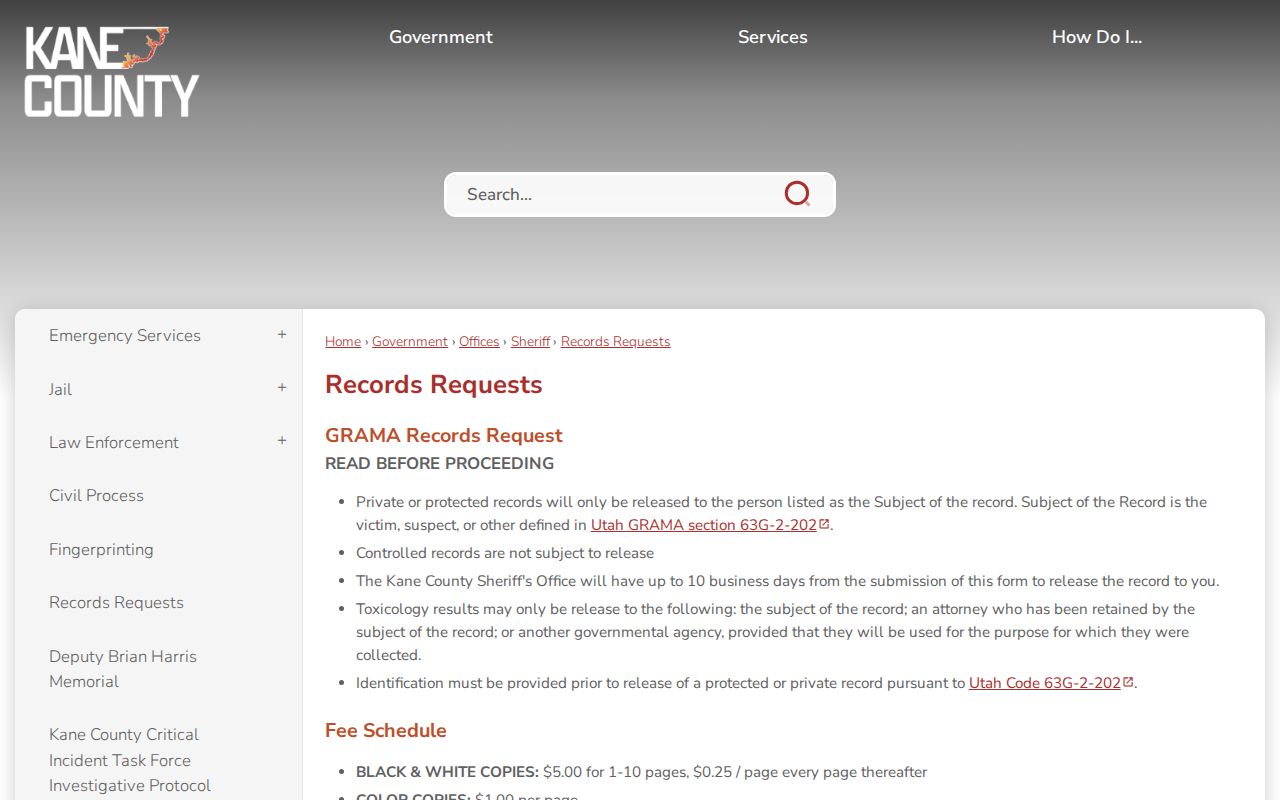
Use the form only for records the Kane County Sheriff holds; warrant status comes from the issuing court.